12 Balance Activities for Kids: Easy Indoor and Outdoor Games
Balance is part of many everyday childhood skills, from climbing stairs and getting dressed to running, cycling and joining playground games. The good news is that children can practise it through play—without special equipment or a complicated routine.
These balance activities for kids use familiar household items and can be adapted for different ages. Keep sessions short, playful and pressure-free. The goal is steady progress and confidence, not perfect performance.
Why balance activities are good for children
Balance games encourage children to coordinate their eyes, muscles and body position. They can also support core strength, spatial awareness and the confidence to try new movements. When a game includes listening, counting or changing directions, children practise attention and following instructions too.
Every child develops at a different pace. Offer a hand or simplify the challenge when needed, and celebrate careful attempts rather than speed.
12 easy balance activities for kids
1. Walk the line
Place painter's tape in a straight line on the floor and ask your child to walk heel-to-toe along it. Once that feels easy, make a gentle curve or zigzag. Try walking forwards, sideways and backwards, with an adult nearby.
2. Flamingo stand
Invite your child to stand on one foot like a flamingo. Count how long they can stay steady, then switch sides. They may begin beside a wall or sturdy chair and lightly touch it for support.
3. Cushion stepping stones
Arrange firm cushions on a non-slip floor with small gaps between them. Children can step from one “island” to the next without touching the floor. Avoid high stacks and remove cushions that slide or tip.
4. Beanbag head walk
Place a soft beanbag or folded pair of socks on the child's head. Ask them to walk slowly to a marker and back. For extra fun, add a pause, turn or gentle squat while keeping the object balanced.
5. Animal walks
Move like a bear on hands and feet, waddle like a penguin or take slow crab steps. Animal walks combine balance with imagination and whole-body movement. Use a clear, uncluttered space.
6. Freeze dance
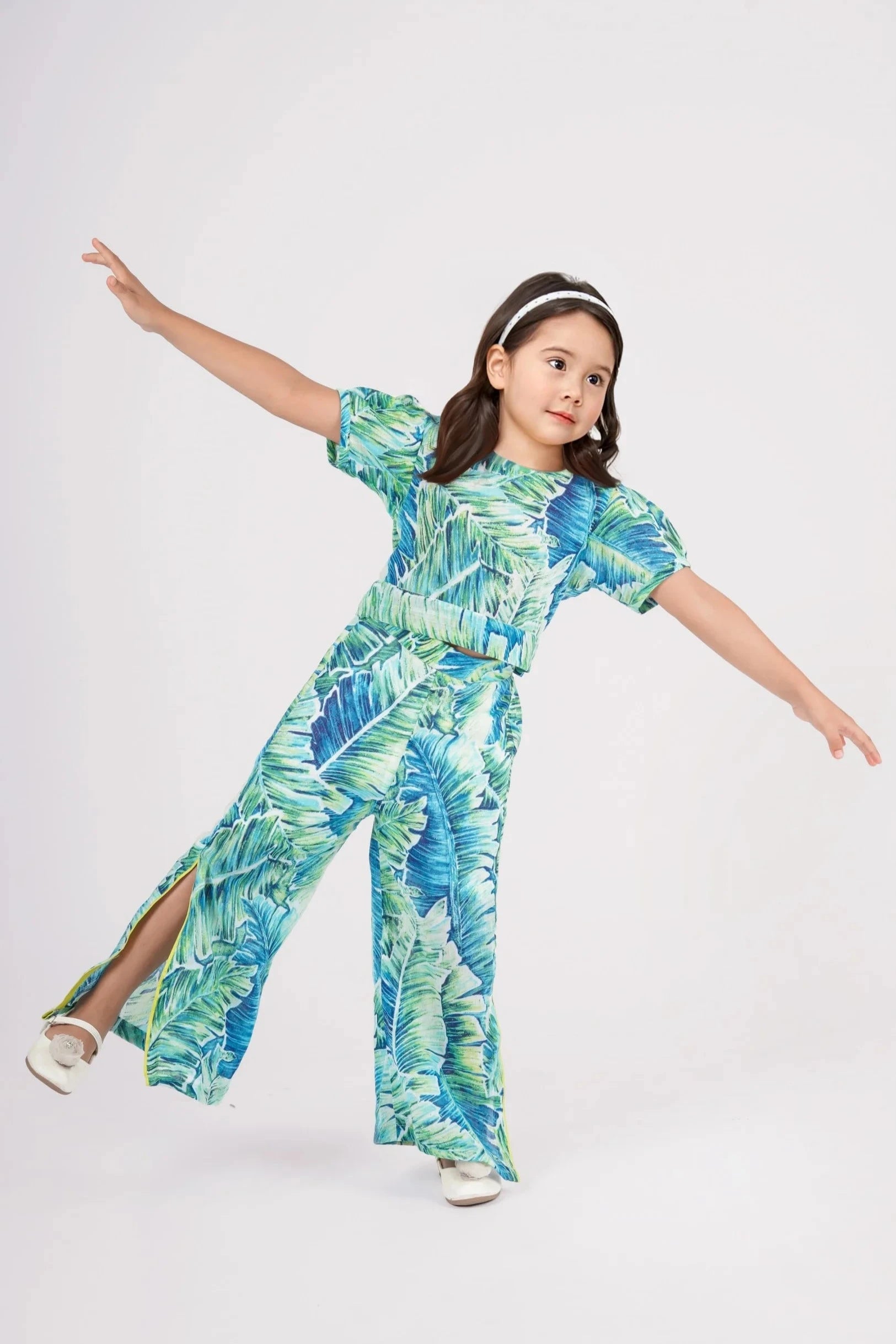
Play music and let children dance. When the music stops, everyone freezes in a balanced pose. Suggest poses such as one foot forward, arms wide or one knee lifted. Resume before the pose becomes tiring.
7. Sock-ball catch
Roll clean socks into a soft ball and toss it gently at chest height. Start close together and increase the distance gradually. Catching while standing with feet close together adds a manageable balance challenge.
8. Hopscotch
Use chalk outdoors or painter's tape indoors to make a hopscotch path. Hopping on one foot and landing with control develops dynamic balance. Younger children can step through the squares instead of hopping.
9. Balance trail
Create a simple route using tape lines, floor markers and a low obstacle to step over. Give directions such as “walk to the circle, turn around, then step over the rope.” Change one element at a time as confidence grows.
10. Balloon keep-up
Ask children to tap a balloon into the air while staying inside a marked area. Reaching and changing direction make the game lively. Use close supervision, and immediately discard broken balloon pieces because they are a choking hazard.
11. Heel raises
Stand behind a sturdy chair, hold it lightly and rise onto the toes before lowering slowly. Turn it into a game by pretending to grow tall like a giraffe. A few controlled repetitions are enough.
12. Nature-path challenge
On a dry, familiar path, invite children to step over small twigs, follow a chalk line or pause on flat ground for a one-foot pose. Choose an area away from traffic, water and steep drops, and check the surface for hazards first.
How to adjust balance games by age
Toddlers and preschoolers: Keep both feet available for most games, use wide lines and offer a hand. Focus on stepping, stopping and changing direction. One or two minutes per activity may be plenty.
School-age children: Add gentle variations such as carrying a soft object, following a longer sequence or holding a pose for a few extra seconds. Avoid turning practice into a contest if that makes a child rush.
Simple safety checks before you begin
- Clear toys, sharp corners and breakable objects from the play area.
- Choose a dry, non-slip surface and use bare feet or secure, well-fitting footwear as appropriate.
- Keep challenges close to the floor; do not use chairs, tables or stacked furniture as balance beams.
- Stay within arm's reach for younger children and stop if a child feels dizzy, tired or uncomfortable.
- Choose comfortable clothing that allows free movement without loose hems that may catch underfoot.
Make balance practice part of the day
Balance play does not need to be a formal workout. Try a tape line while dinner is being prepared, a flamingo pose while brushing teeth, or a short nature trail during an evening walk. Five to ten playful minutes can be easier to repeat than one long session.
Let your child help choose the game and its theme. A line can become a bridge, cushions can become islands, and a pause can become a superhero pose. When children feel safe and successful, they are more likely to keep moving and experimenting.
When to seek professional guidance
Occasional tumbles are a normal part of learning. However, if you notice frequent unexplained falls, persistent pain, sudden loss of a previously mastered skill, or difficulty that limits everyday play, discuss it with your child's paediatrician. A qualified physiotherapist or occupational therapist can assess individual needs and suggest appropriate activities.
Conclusion
The best balance activities for kids are simple, safe and enjoyable enough to repeat. Start with an easy version, supervise closely and build difficulty gradually. With encouragement and regular play, children can strengthen coordination while gaining confidence in how their bodies move.