How to Avoid Diaper Rash: Practical Tips for Everyday Care
Table of Contents
Diaper rash can show up even when you're doing everything right from changing regularly, using good diapers, and applying creams. It's one of the most common concerns parents face, especially in the early months. The good news is that most diaper rashes are preventable with a few simple, consistent steps. Here, you'll learn exactly how to prevent diaper rash, what causes it, and what actually works to keep your baby's skin healthy and irritation-free.

How to prevent diaper rash

Change diapers frequently (every 2-3 hours)
Keeping your baby in a wet or soiled diaper for too long is the most common cause of diaper rash. Change diapers every 2-3 hours during the day, and immediately after bowel movements, even if the diaper doesn't feel very full.
Keep baby's skin dry before a new diaper
Moisture trapped against the skin can quickly lead to irritation. After cleaning, gently pat the area dry with a soft cloth. Avoid rubbing, as it can worsen sensitivity.
Give diaper-free time daily
Letting your baby go without a diaper for some time each day helps the skin breathe and heal naturally. Even 10-15 minutes a few times a day can make a big difference.
Avoid wipes during rash (use warm water + cotton)
Baby wipes, even gentle ones, can sometimes irritate already sensitive skin. During a rash, use soft cotton with lukewarm water to clean the area. This reduces irritation and supports faster healing.
Use breathable diapers with a good fit
Choose diapers that allow airflow and don't trap excess moisture. Make sure the diaper fits snugly around the legs and waist, not too tight, not too loose, to prevent friction and leaks.
Apply barrier cream regularly
A good diaper rash cream acts as a protective layer between your baby's skin and moisture. Apply a thin layer during regular changes, and a thicker layer if there's any redness or irritation.
"The only way to avoid rashes is making sure baby is not sitting in a damp diaper for long." - from our Mom Insider community

How to Prevent Diaper Rash in Newborns
Newborn skin is very delicate and more prone to irritation, so gentle care and frequent changes are essential. Since their skin is thinner and more sensitive, even a little moisture or friction can lead to redness. It's important to check diapers often and change them as soon as they are wet or soiled, rather than waiting for a fixed time. Use minimal products, clean the area with lukewarm water and soft cotton, and avoid overusing wipes or multiple creams. Make sure the skin is completely dry before putting on a new diaper, and choose a diaper that fits comfortably without being too tight. Keeping the routine simple and consistent can go a long way in preventing diaper rash in newborns.

How to Prevent Diaper Rash in Summer
Hot weather and humidity can increase sweating, making diaper rash more common during summer. Moisture builds up faster in warm conditions, which can irritate your baby's sensitive skin. To prevent this, give your baby more diaper-free time so the skin can stay cool and dry. Choose lightweight, breathable diapers that allow proper airflow and don't trap heat. It's also important to check diapers more frequently and change them sooner than usual, as even slight dampness can lead to irritation in hot weather.
Foods That Can Cause Diaper Rash
In some cases, diaper rash can be linked to what your baby eats, especially when new foods are introduced. Acidic foods such as citrus fruits and tomatoes can make stools more irritating to the skin, leading to redness. When babies start solids, their digestive system is still adjusting, which may sometimes result in diaper rash. Similarly, changes in formula can cause temporary digestive changes that increase the chances of irritation. Foods that trigger diarrhea can also lead to diaper rash, as frequent and loose stools increase moisture and prolonged contact with the skin.
Note: Every baby is different. A food that causes a rash in one baby may not affect another, so it's helpful to observe and identify your baby's triggers.

What Causes Diaper Rash
Diaper rash is usually caused by a combination of factors that irritate a baby's sensitive skin. The most common cause is moisture, especially when the skin stays in contact with a wet or soiled diaper for too long. Friction from tight or ill-fitting diapers can also lead to irritation. Some babies naturally have sensitive skin, making them more prone to rashes even with small triggers. In certain cases, infections, especially fungal or bacterial, can develop, particularly if the rash is left untreated for a longer time.
When It's Not Just a Rash
Sometimes, a diaper rash may need more than basic care. Watch for signs like a bright red, stubborn rash that doesn't improve with regular creams, or a rash that keeps coming back. If you notice white patches in your baby's mouth, it could be a sign of a fungal infection (thrush), which can also cause severe diaper rash. If you notice these symptoms or the rash doesn’t improve within a few days, it's best to consult a doctor for proper treatment.
Step-by-Step Routine for a Rash-Free Baby
A consistent routine is the most effective way to prevent diaper rash. Following these simple steps during every diaper change can help keep your baby’s skin healthy and irritation-free.

1. Change the diaper frequently
Check diapers often and change every 2-3 hours, or immediately after a bowel movement. Avoid letting your baby sit in a wet or soiled diaper for long.
2. Clean gently
Use soft cotton with lukewarm water to clean the area. Avoid rubbing the skin, and limit the use of wipes, especially if your baby has sensitive skin or an existing rash.
3. Pat dry completely
After cleaning, gently pat the area dry with a soft cloth. Make sure there is no moisture left, as damp skin can quickly lead to irritation.
4. Give diaper-free time
Allow your baby to stay without a diaper for a few minutes whenever possible. This helps the skin breathe and reduces the chances of rash.
5. Apply diaper rash cream
Use a thin layer of diaper rash cream as a protective barrier during regular changes. If there is any redness, apply a slightly thicker layer to protect and soothe the skin.
6. Put on a clean, well-fitting diaper
Choose a breathable diaper that fits snugly but comfortably. Ensure it's not too tight around the waist or thighs to avoid friction and allow airflow.
Following this routine consistently can significantly reduce the chances of diaper rash and keep your baby comfortable throughout the day.

How to Use Diaper Rash Cream
Using diaper rash cream correctly is just as important as choosing the right one. Many moms notice that technique + consistency matter more than the brand itself.
- Apply a thick layer (don't rub fully in): Treat the cream like a protective shield. Instead of massaging it into the skin, apply a visible layer so it sits on top and protects the skin from moisture.
- Use after every change (during rash): When your baby has redness or irritation, apply the cream generously at every diaper change. Several moms shared that applying it "liberally all around" the affected area helped faster healing.
- Make sure skin is dry first: Always pat the area completely dry before applying cream. Applying on damp skin can trap moisture and worsen the rash.
- Use preventively (thin layer): Even when there's no rash, a light layer during diaper changes can help prevent irritation, especially at night or in humid weather.
- Give diaper-free time after applying: Let the cream sit on the skin for a few minutes before putting on a new diaper. This helps it work better.
- A common pattern from moms: clean with water + dry well + apply thick cream + give air time = fastest healing.
Best Diaper Rash Creams
Based on mom experiences, some creams consistently work better than others, especially when used correctly and regularly.

Most Recommended by Moms
- Sudocrem: The most frequently mentioned cream. Many moms shared that applying a thick layer during every diaper change helped clear rashes effectively, even when other creams didn't work.
- Rashfree Cream: Often recommended by pediatricians. Works well both for treating active rashes and preventing new ones when used regularly.
- Cetaphil Baby Cream: A gentle option that suits babies with sensitive skin and mild irritation.
- Triple Paste / Aquaphor: Used by some moms for ongoing protection and prevention once the rash starts healing.
For Severe or Stubborn Rashes
- Bepanthen Baby: Highly effective for extreme or persistent rashes. Many moms love it for quick relief, though it's slightly expensive.
- TeddyBar B4 Nappi Cream: Mentioned as effective, especially when used specifically during rash episodes.
- Dermadew Diaper Cream: Another option that worked well for some babies with recurring rashes.
Important: No cream works instantly in a few hours, most rashes take 2-3 days to improve with proper care.
Natural Options (For Mild Rashes)
- Coconut oil: Widely used and effective for soothing mild redness and keeping the skin moisturized.
- Breast milk: Some moms use it for minor irritation due to its natural healing properties.
- Lanolin-based creams (like nipple creams): A few parents found these helpful due to their strong moisturizing and protective properties.
Tips from moms:
- "No cream works in 2-3 hours", healing usually takes 2-3 days
- Applying cream liberally (thick layer) works better than thin application
- Diaper-free time + cream = fastest recovery
- Washing with water instead of wipes made a big difference for many moms
Best diapers to prevent rash
Based on the experiences from moms, these are some commonly used diapers that worked well in terms of comfort, absorbency, and reducing rashes:
Disposable Diapers
- Pampers Premium Pants: Commonly used, especially for nighttime due to higher absorbency.
- Huggies Wonder Pants: Many parents found them reliable with no major rash issues.
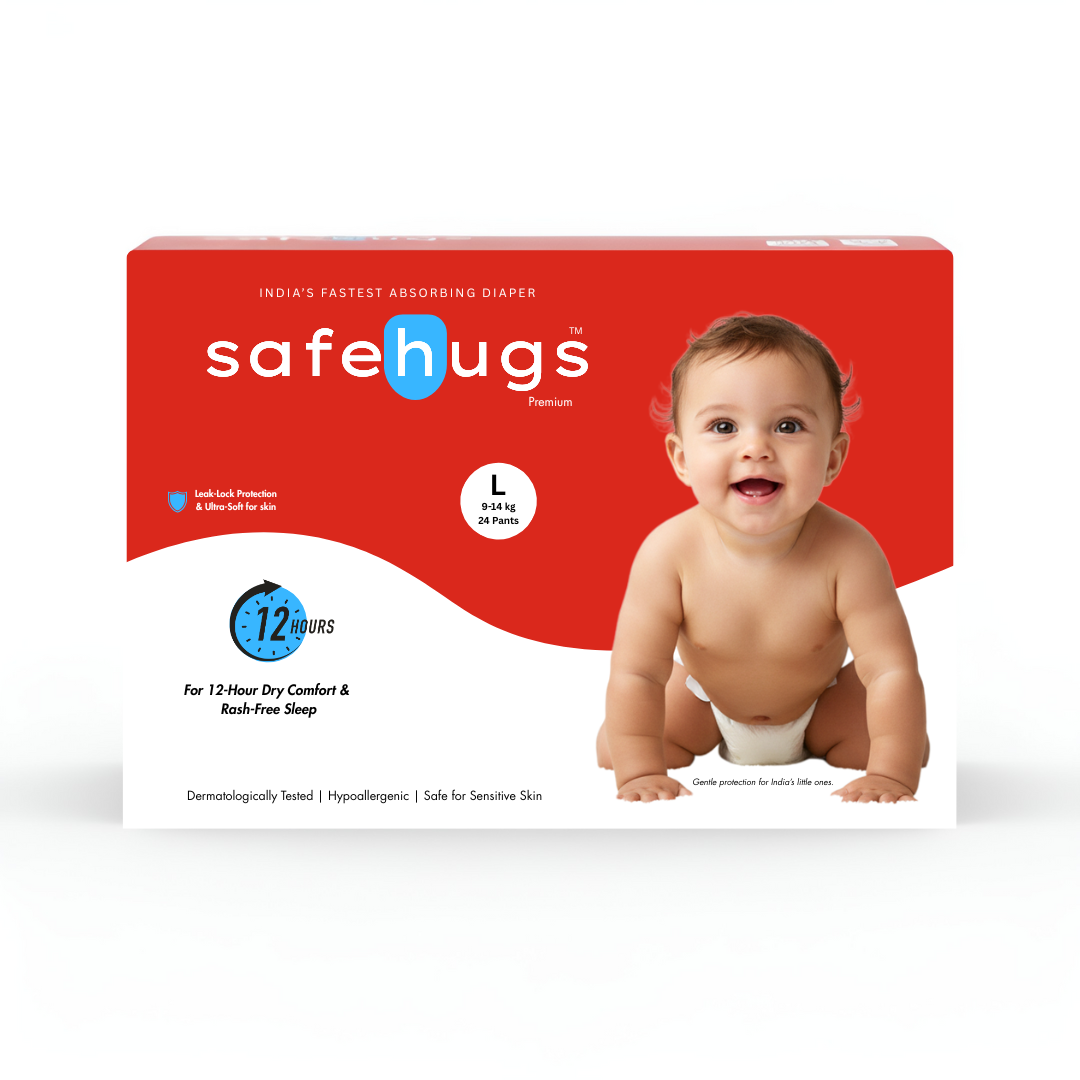
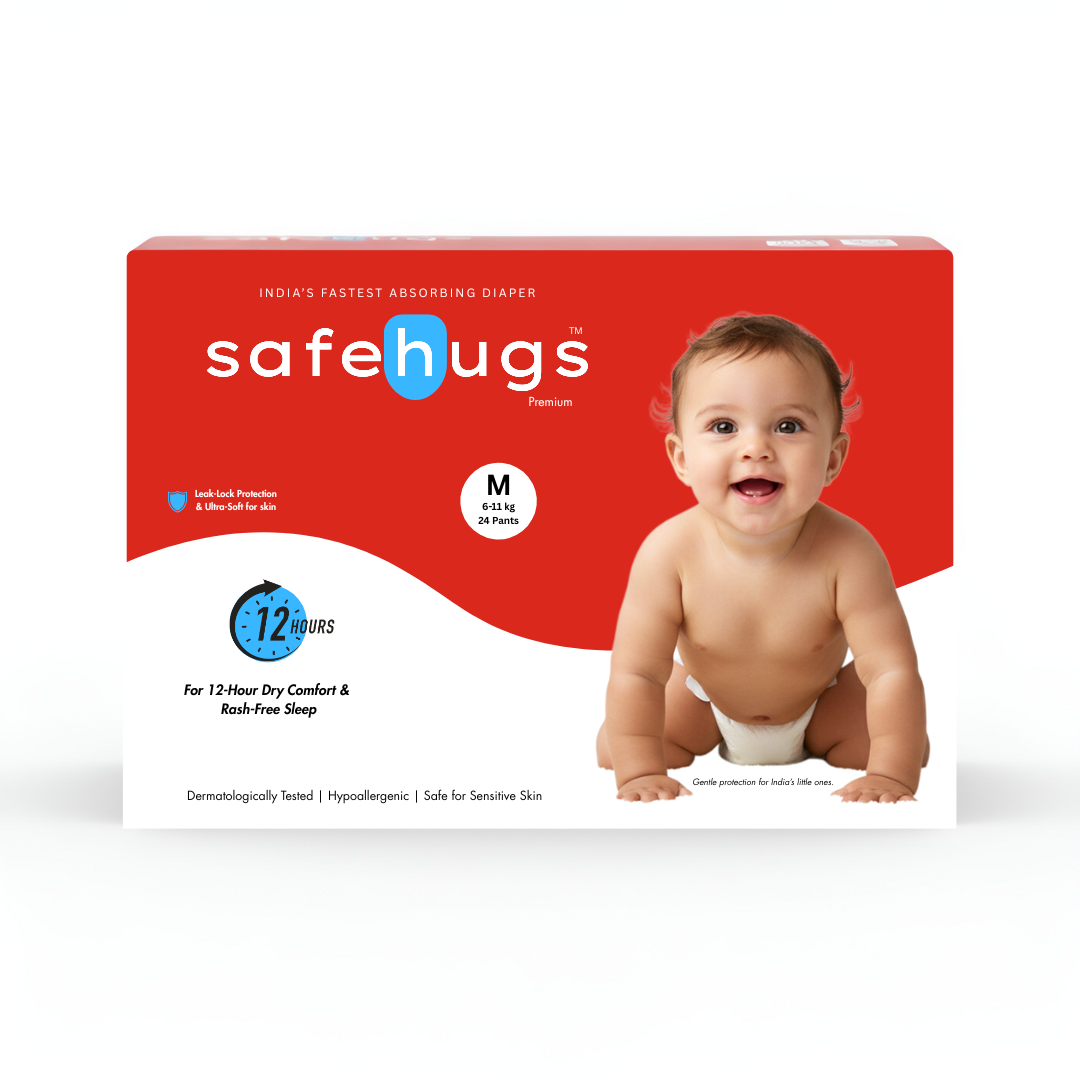
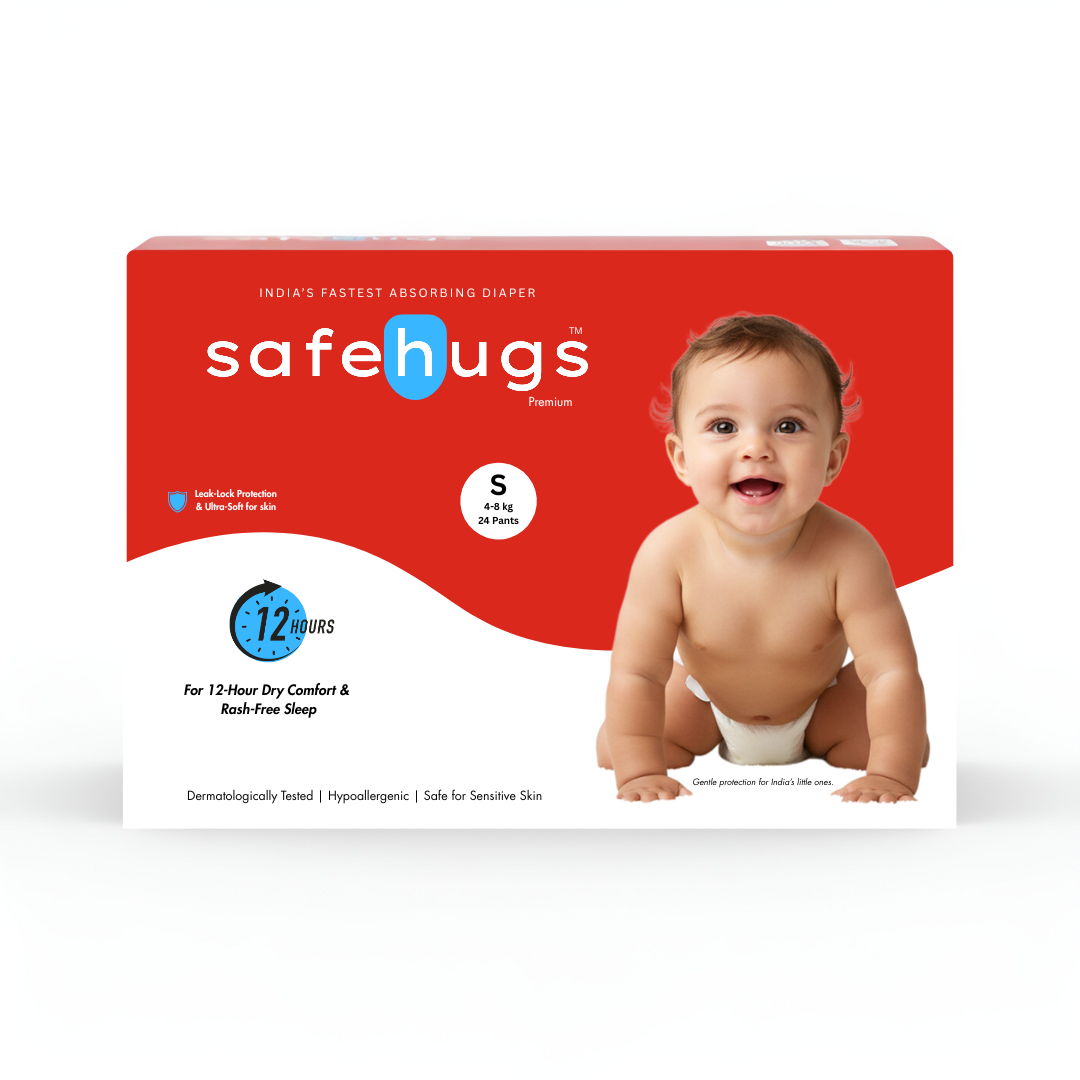
- SafeHugs Baby Diaper: Known for its snug fit, which helps prevent leaks. Many moms prefer it for no major rash issues, especially with regular changes.
- R for Rabbit Diapers: Lightweight and comfortable, used by several moms.
- Babyhug Pro Diapers: Budget-friendly option with decent performance.
Cloth Diapers
- SuperBottoms: Frequently mentioned for breathability and reusable design. Works best when changed every 2-2.5 hours.
- Dry Feel Langots: Great for short durations and diaper-free routines. Needs more frequent changes (every 1-2 hours).
- LuvLap Reusable Cloth Diapers: Used by some parents, though a few experienced rashes, fit and timely changes are important.
How to Prevent Diaper Leaks
Preventing diaper leaks mostly comes down to choosing the right fit and maintaining a good routine. Make sure you select the correct diaper size, as a diaper that's too small can overflow, while a loose one can leave gaps and cause leaks. Ensure a snug fit by adjusting the waistband and leg cuffs properly, especially around the thighs. Always pull out the leg ruffles, as they help prevent side leaks. It's also important to change the diaper before it becomes too full, since even highly absorbent diapers can leak if left on for too long. For babies who urinate more, especially at night, using diapers with higher absorbency or adding inserts (in cloth diapers) can help. Lastly, keep in mind that active babies who kick and move a lot can shift the diaper, so it’s a good idea to check and readjust the fit when needed.
Common Issues Related to Diapers
Several common diaper-related issues can affect your baby's comfort, and most of them are linked to routine and fit rather than just the brand. Frequent leaks often happen due to the wrong diaper size, poor fit, or delayed changes. Diaper rash is usually caused by prolonged moisture, friction, or sensitive skin. Active babies who kick and move a lot may experience a loose fit, which can shift the diaper and create gaps, leading to leaks. Overdependence on wipes can also irritate the skin, especially during rashes. Keeping a diaper on for too long, even a highly absorbent one, can lead to both leaks and skin irritation. Additionally, hot and humid weather can increase sweating, making the diaper area more prone to discomfort and rashes.
"Using wipes too much made rash worse, water worked better." - from our Mom Insider community
Mistakes to Avoid
- Using baby powder regularly: While it may seem like it keeps the area dry, baby powder can be inhaled and irritate your baby's lungs. It can also clump when mixed with moisture, which may worsen irritation instead of preventing it. Medicated powders should only be used if prescribed by a doctor.
- Not drying skin properly: After cleaning, even slight dampness can lead to rashes, especially in folds around the thighs and genitals. Always gently pat the area dry and give a few seconds of air time before putting on a new diaper.
- Leaving baby in a wet or soiled diaper: This is the most common cause of diaper rash. Even highly absorbent diapers cannot fully protect the skin if used for too long. Regular checks and timely changes are essential, especially after bowel movements.
- Switching products too often: Frequently changing diaper brands, wipes, or creams can irritate sensitive skin and make it difficult to identify what’s actually working. Stick to a simple routine and give products time to show results.
- Ignoring early redness: Mild redness is often the first warning sign. If addressed early with proper cleaning, drying, and a barrier cream, it can be controlled quickly. Ignoring it may lead to more painful and stubborn rashes.
Special case scenarios
Diaper Rash During Diarrhea
Diaper rash during diarrhea can be especially painful because of frequent stools and increased contact with irritants. In such cases, it's important to change diapers immediately after every bowel movement, avoid wipes and instead use lukewarm water with cotton for gentle cleaning, and apply a thick layer of barrier cream at every change. Giving as much diaper-free time as possible also helps the skin heal faster. Since these rashes are more intense, healing may take a few days even with proper care. If the rash becomes severe or your baby is in visible discomfort, it's best to consult a doctor.
Redness Around Genitals
Redness around the genitals is also very common and is usually a form of diaper rash caused by moisture, friction, or heat. It typically appears as uniform redness without swelling or spots. To manage this, keep the area clean and completely dry, apply a protective cream generously during each diaper change, ensure the diaper fits comfortably without being too tight, and increase diaper-free time. Monitor the condition closely, if the redness spreads, develops small red spots, becomes more intense, or does not improve within 2-3 days, it may indicate an infection and require medical attention.
Travel Tips for Diaper Care
Managing diaper changes while traveling can be a bit challenging, but being prepared makes it much easier.
- Instead of relying only on wipes, keep soft cotton and a small bottle of water for gentle cleaning, especially if your baby has sensitive skin or a rash.
- Always have a diaper rash cream handy and apply it regularly to prevent irritation during long travel hours.
- Pack more diapers than you think you'll need, as changes may be more frequent during travel.
- Disposable changing sheets are very useful for quick and hygienic diaper changes when you don't have access to a clean surface.
Diaper Rash: When to See a Doctor
Most diaper rashes improve within a couple of days with proper care, but some situations need medical attention.
- If there's no improvement despite regular cleaning, drying, and cream application for more than 3 days, it may need medical treatment.
- Very red, raw, or bleeding skin can be painful and may indicate a more serious condition.
- If your baby is crying during diaper changes or unable to sit comfortably, the rash may be severe.
- Rashes that don't respond to regular creams, appear bright red, or come with white patches in the mouth could be fungal and require specific treatment.
In these cases, it's best to consult a doctor rather than trying multiple products on your own.
Takeaways
- Keep your baby's skin clean and dry
- Change diapers frequently to avoid moisture buildup
- Use breathable, well-fitting diapers
- Give diaper-free time daily
- Apply diaper rash cream consistently
Related:
- Check out our blog on Top WhatsApp Groups for Moms in India.
- Check out our blog on How to treat Milk Blebs.
- Check out our blog on Vaccination Schedule in India for Kids.
- Check out our blog on Growth Spurts in Babies.
- Check out our blog on Indian Foods to Increase Breast Milk at Home.
- Check out our blog on 17 Foods To Avoid While Breastfeeding.
FAQs
1. How to prevent diaper rash naturally?
You can prevent diaper rash naturally by focusing on a simple routine. Clean the area with lukewarm water and soft cotton instead of wipes, allow the skin to dry completely, and give regular diaper-free time. Many parents also use coconut oil as a light protective layer for mild cases. Most importantly, avoid letting your baby stay in a wet diaper for too long.
2. Should you wipe baby every diaper change?
Not always. If the diaper is only wet (urine), you can skip wipes and simply pat dry if needed. Overuse of wipes, especially on sensitive skin, can cause irritation. During rashes, it’s better to use water and cotton for gentle cleaning instead of wipes.
3. Should I use diaper cream at every change?
It depends. If your baby has a rash, applying cream at every diaper change (in a thicker layer) helps protect and heal the skin. For prevention, you can use a thin layer, especially at night or during longer gaps between changes. Consistency matters more than quantity.
4. How to prevent diaper leaks?
To prevent leaks, choose the right diaper size, ensure a snug fit around the waist and thighs, and always pull out the leg frills properly. Change diapers before they get too full, and use higher absorbency options for nighttime. Active babies may need frequent fit adjustments to avoid gaps.
5. Can coconut oil heal diaper rash?
Coconut oil can help soothe and moisturize mild diaper rashes due to its natural properties. Many parents use it as a gentle, everyday option. However, for moderate to severe rashes, a proper diaper rash cream (especially zinc-based) is usually more effective.