Diaper Rash Treatment: Remedies & Best Creams for Fast Relief
Table of Contents
Diaper rash can be frustrating, especially when you've already tried multiple creams, home remedies like coconut oil, and still don't see quick relief. In countries like India, where heat and humidity are high, diaper rash is even more common. Frequent sweating, prolonged diaper use, and sensitive baby skin can make it harder to manage. To make things more confusing, there are countless suggestions, from different creams to home remedies, leaving parents unsure about what actually works. The good news is that most diaper rashes can be treated effectively with the right approach.

What is Diaper Rash
Diaper rash is a common skin irritation that appears in the area covered by a diaper, including the buttocks, thighs, and genital region. It usually shows up as redness, mild swelling, or small bumps on the skin, and can sometimes make the area look sore or feel warm to touch.
It typically happens when a baby's skin stays in contact with moisture like urine, or stool for too long, leading to friction and irritation. Friction from the diaper and sensitivity to certain products can also contribute to it. Most diaper rashes are mild and improve with basic care, but if left untreated, or if caused by infection, they can become more uncomfortable.

What Causes Diaper Rash?
Diaper rash usually develops due to a combination of moisture, irritation, and sensitivity. Understanding the cause helps you treat it more effectively and prevent it from coming back.

1. Prolonged Wetness & Friction
When a baby's skin stays in contact with urine or stool for too long, it becomes soft and more prone to irritation. Constant rubbing from the diaper can worsen this, leading to redness and discomfort.
2. Diet Changes (Breast Milk vs Formula)
A baby's diet directly affects their stool, which in turn impacts the skin. Even small changes can sometimes trigger rashes. Many parents have noticed that after introducing formula, even for a single feed, their baby developed a diaper rash. This is usually due to changes in digestion and stool composition, which may irritate sensitive skin.
3. Hot & Humid Weather
In warm and humid climates, like many parts of India, sweating inside the diaper area is common. This trapped moisture creates the perfect environment for irritation and rashes to develop more quickly.
4. Fungal or Bacterial Infections
If a rash doesn't improve with regular care, it could be due to a fungal infection (commonly yeast). These rashes tend to last longer, spread more, and may need specific treatment prescribed by a doctor.
Diaper Rash Treatment: What Works
Treating diaper rash doesn't have to be complicated. Simple, consistent care is usually enough to heal the skin and prevent further irritation.

1. Keep the Area Clean & Dry
Gently clean your baby's diaper area during every change. Use lukewarm water and a soft cloth or cotton. If using wipes, choose fragrance-free and alcohol-free options. Always pat the skin dry, avoid rubbing, as it can worsen irritation.
2. Frequent Diaper Changes
Change diapers regularly, ideally every 2-3 hours, and immediately after a bowel movement. Keeping the area dry reduces contact with irritants and helps the skin heal faster.
3. Use Barrier Creams
Apply a thick layer of diaper rash cream containing zinc oxide or petroleum jelly. These act as a protective barrier, shielding the skin from moisture and allowing it to recover.
4. Give Diaper-Free Time
Let your baby stay without a diaper for a few minutes during the day. Even 10-15 minutes of air exposure during each change can significantly speed up healing by keeping the area dry.
"Give at least 10 minutes of diaper-free time before every change. After a few days of doing this, my baby stopped getting rashes. Also zinc-based diaper rash cream worked much better than anything else for my baby." - from our Mom Insider community
5. Switch Diaper Brand If Needed
Sometimes, the diaper itself may be causing irritation. If the rash keeps coming back, try switching to a different brand or type, especially one that is more breathable or suited for sensitive skin.
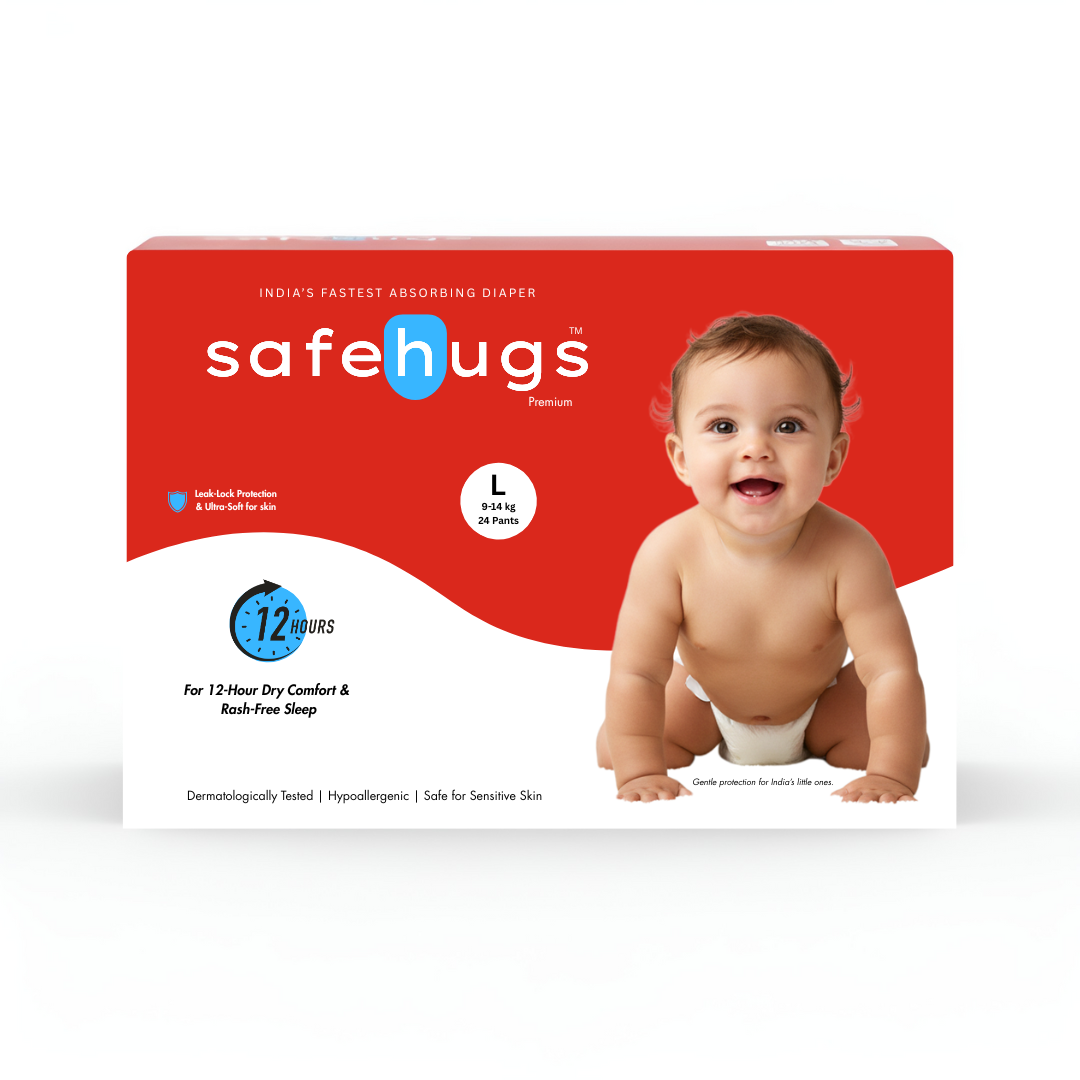
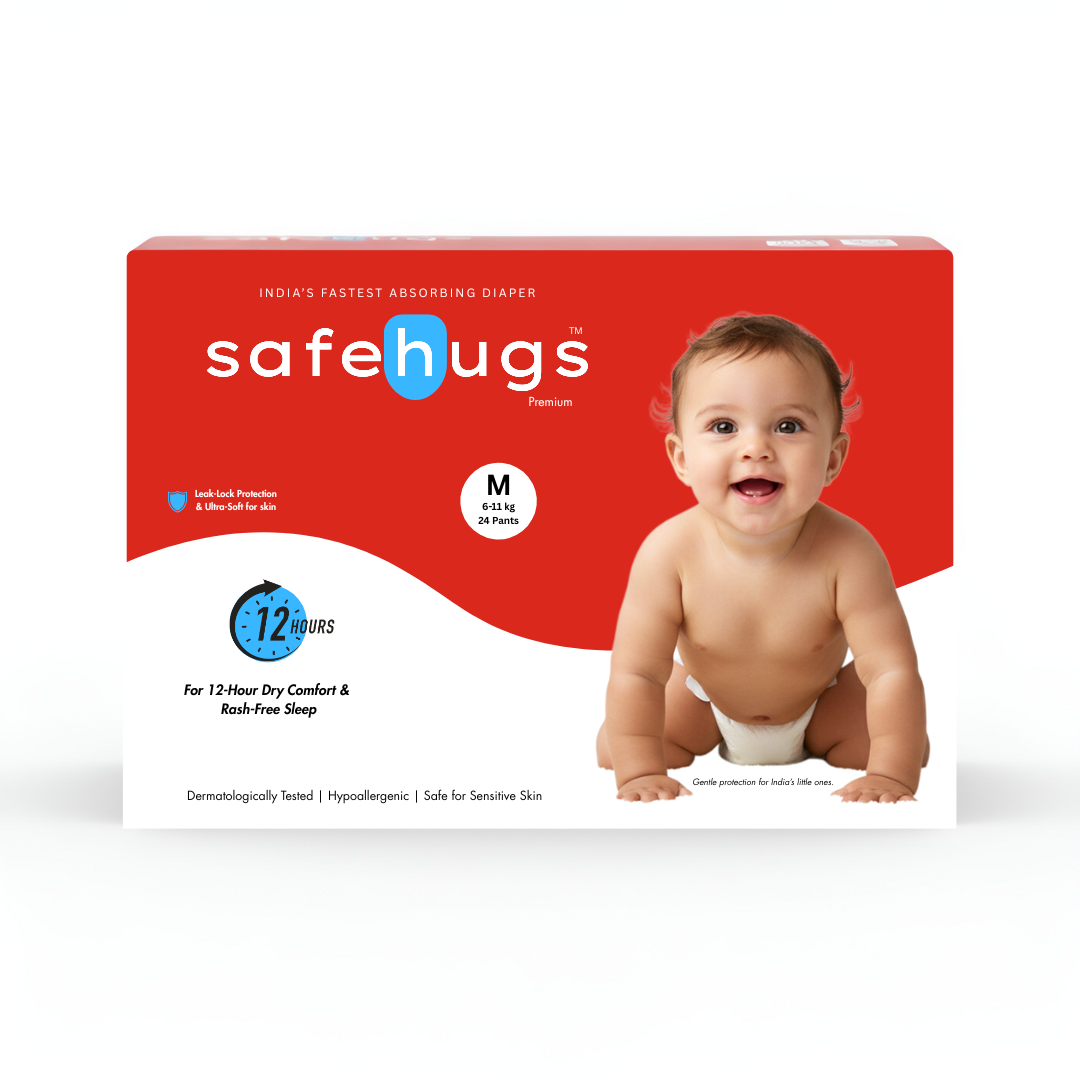
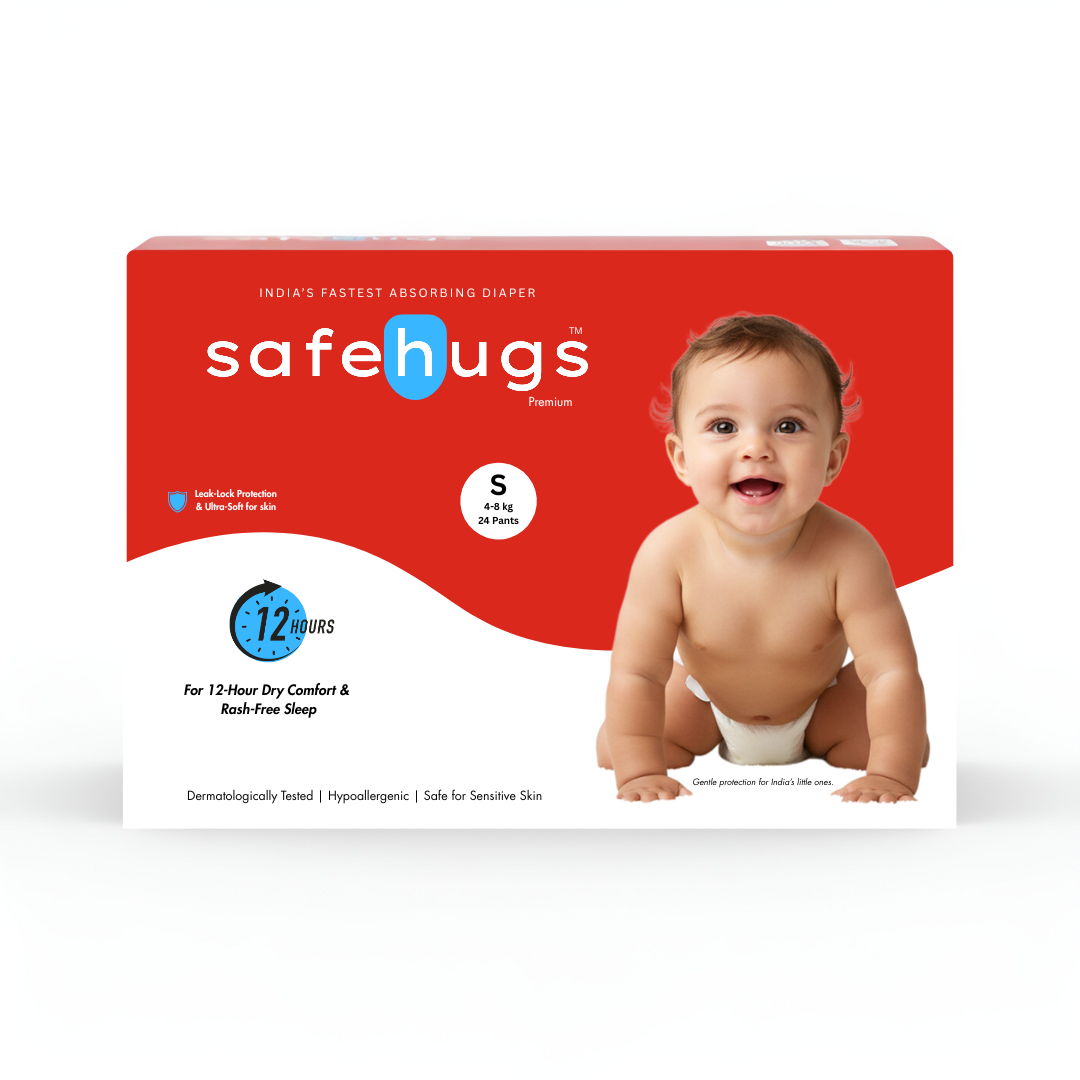
You can also try more breathable options like the ones from Safehugs and Pampers, those can help reduce frequent rashes and keep your baby more at ease throughout the day.
Best Home Remedies for Diaper Rash
Along with regular care, some simple home remedies can help soothe irritation and support faster healing. These are easily available, and often work well for mild rashes.
1. Coconut Oil
Coconut oil has natural moisturizing and mild antifungal properties. Applying a thin layer can help reduce redness and protect the skin from further irritation. Make sure the area is clean and dry before applying.
Coconut oil regularly + diaper-free time worked best for us. - from our Mom Insider community
2. Breast Milk
Breast milk contains antibodies and healing properties that may help soothe irritated skin. You can apply a few drops to the affected area and let it air dry before putting on a fresh diaper.
3. Aloe Vera
Aloe vera has a cooling and soothing effect on the skin. Use a small amount of pure, baby-safe aloe vera gel to calm inflammation. Avoid products with added fragrance or chemicals.
4. Oatmeal Bath
An oatmeal bath can help reduce itching and irritation. Adding finely powdered oats to lukewarm bath water can gently soothe the skin and make your baby more comfortable.

Best Diaper Rash Creams & Products
Choosing the right diaper rash product can make a noticeable difference in how quickly your baby's skin heals. Instead of trying multiple products without clarity, it helps to understand what ingredients and product types actually work.
What to Look For in a Diaper Rash Cream
Zinc Oxide Percentage
Zinc oxide is one of the most effective ingredients for treating diaper rash. It creates a protective barrier over the skin, shielding it from moisture and irritants while allowing healing to take place. For mild rashes, a lower percentage is usually enough, but for moderate to severe rashes, thicker creams with higher zinc content tend to work better and provide faster relief.
Fragrance-Free
Baby skin is highly sensitive, and added fragrances can sometimes worsen irritation rather than help. Choosing a fragrance-free cream reduces the risk of further discomfort and makes the product safer for regular use, especially if your baby is prone to rashes.
Hypoallergenic & Gentle Ingredients
Look for creams that are dermatologically tested and designed specifically for sensitive skin. Products that are free from harsh chemicals, parabens, and unnecessary additives are generally safer. Gentle formulations are especially important if you plan to use the cream frequently, either for treatment or prevention.
These were commonly recommended by Mom Insider moms: Sudocrem was often mentioned as a go-to, Aquaphor was appreciated for quick relief, and Desitin paste was found helpful for more severe redness.

Types of Diaper Rash Products
Creams (Light & Daily Use)
Cream-based formulas are lighter in texture and easy to spread, making them suitable for everyday use. They work well for mild rashes and can also be used as a preventive layer during diaper changes, especially in humid conditions or overnight use.
Ointments (Thick & Protective)
Ointments are thicker and more protective compared to creams. They stay on the skin longer and provide a stronger barrier against moisture. These are more effective for moderate to severe rashes where the skin needs extra protection and time to heal.
Powders
Powders are sometimes used to keep the area dry, but they are not usually recommended for regular use. Fine particles can be inhaled by babies, which may irritate their lungs. In some cases, doctors may prescribe specific powders for short-term use, especially for fungal infections, but they should not be used routinely without guidance.
"If it's powder, please don't use it regularly. Our doctor prescribed powder only for a few days, we were very careful while using it." - from our Mom Insider community
Should You Use Diaper Rash Cream Daily?
Using diaper rash cream daily can be helpful, but it depends on your baby's skin and routine. Many parents use a thin layer of barrier cream during every diaper change as a preventive step, especially at night or in hot and humid weather when the chances of rashes are higher. These creams protect the skin from moisture and reduce friction, which can help avoid irritation before it starts.
However, not all creams need to be used daily. Mild, gentle barrier creams (like those with low zinc oxide or petroleum jelly) are generally safe for regular use. On the other hand, thicker or medicated creams designed for treating active rashes should be used only when needed, not continuously.
What NOT to Do
While treating diaper rash, certain habits can slow down healing or make the irritation worse. Avoid using talcum powder regularly, as fine particles can be inhaled and may irritate your baby's lungs. Do not leave a wet or soiled diaper on for too long, as prolonged moisture is one of the main causes of rash. Using harsh wipes, scented products, or soaps can also worsen sensitivity, so it's better to stick to gentle, fragrance-free options. Rubbing the skin while cleaning or drying should be avoided, as irritated skin needs gentle care. Most importantly, avoid switching too many products at once, as this can make it difficult to identify what is actually helping or causing irritation.
How Long Does Diaper Rash Take to Heal?
The healing time depends on how severe the rash is and how consistently it is managed. Mild diaper rashes usually improve within 2 to 3 days with proper care, including keeping the area clean, dry, and protected with a barrier cream. Moderate rashes may take around 3 to 5 days to heal completely. In some cases, especially in humid conditions or if the skin remains irritated, the rash may take longer or come back again. If the rash is caused by a fungal or bacterial infection, it may not improve with regular creams and could require specific treatment, which can extend the healing time.
When to See a Doctor
Most diaper rashes can be treated at home, but there are situations where medical advice is necessary. If the rash does not improve after 3 to 4 days of proper care, it's best to consult a doctor. You should also seek help if the rash looks severe, with blisters, open sores, pus, or bleeding. Signs like fever, spreading redness, or your baby being unusually uncomfortable may indicate an infection. In such cases, a doctor may prescribe antifungal or medicated creams to treat the underlying cause effectively.
How to Prevent Diaper Rash

Keeping the diaper area clean and dry is the first step. Instead of relying heavily on wipes, washing the area with water during diaper changes can reduce irritation, especially for babies with sensitive skin. After cleaning, always pat the skin dry rather than rubbing.
Frequent diaper changes are essential, even if there is no visible rash. Changing diapers regularly helps prevent moisture buildup, which is one of the main causes of irritation. Many parents also choose to apply a light barrier cream during every change as a preventive step.
Giving diaper-free time daily can significantly reduce the chances of rashes. Even 10 minutes of diaper-free time before putting on a new diaper allows the skin to breathe and stay dry.
Avoid using powders regularly, as they may not be safe for inhalation and do not address the root cause of rashes. Instead, natural options like a thin layer of coconut oil can help keep the skin moisturized and protected.
"Many parents also find that reducing diaper use during the daytime and using it mainly at night helps prevent recurring rashes." - from our Mom Insider community
Diaper Rash vs Other Skin Conditions
Diaper rash can sometimes be confused with other skin conditions, especially when it doesn't improve with regular care. A typical diaper rash appears as mild redness in areas directly in contact with the diaper and usually gets better with basic hygiene and barrier creams.
However, if the rash looks more intense, spreads beyond the diaper area, or doesn't respond to usual treatment, it could be something else. A fungal (yeast) infection often appears as bright red patches with defined edges and small red spots around it. Heat rash, on the other hand, shows up as tiny red bumps and is more common in hot weather due to sweating. Eczema tends to look dry, patchy, and may appear on other parts of the body as well, not just the diaper area.
Takeaways
Diaper rash is common but manageable with the right care and consistency. Keeping the area clean and dry, changing diapers frequently, and using a suitable barrier cream are the most effective ways to treat and prevent it. Diaper-free time plays a major role in healing, and simple practices like washing with water instead of using wipes can reduce irritation.
Not every rash needs multiple products, often, sticking to a simple routine works better. If the rash doesn't improve within a few days or looks severe, seeking medical advice is important to rule out infections.
Related:
- Check out our blog on How to Avoid Diaper Rash (Practical Tips for Everyday Care).
- Check out our blog on The Ultimate Newborn Essentials Checklist.
- Check out our blog on Baby Travel Essentials.
Frequently Asked Questions
1. What is the fastest way to heal diaper rash?
The fastest way is to keep the area clean and dry, change diapers frequently, apply a thick zinc-based barrier cream, and give regular diaper-free time. Avoid irritants like harsh wipes or fragrances.
2. Can diaper rash go away on its own?
Mild diaper rashes can improve on their own if the skin is kept clean and dry. However, without proper care, they may take longer to heal or worsen over time.
3. Is coconut oil safe for diaper rash?
Yes, coconut oil is generally safe for mild diaper rashes. It helps moisturize the skin and has mild soothing properties, but it may not be enough for moderate or severe rashes.
4. How often should I change diapers to prevent rash?
Ideally, diapers should be changed every 2-3 hours and immediately after bowel movements. Frequent changes help reduce moisture and irritation.
5. When is diaper rash serious?
Diaper rash becomes serious if it doesn't improve after 3-4 days, spreads, or shows signs like blisters, pus, or bleeding. In such cases, it may require medical treatment.